
Introduction
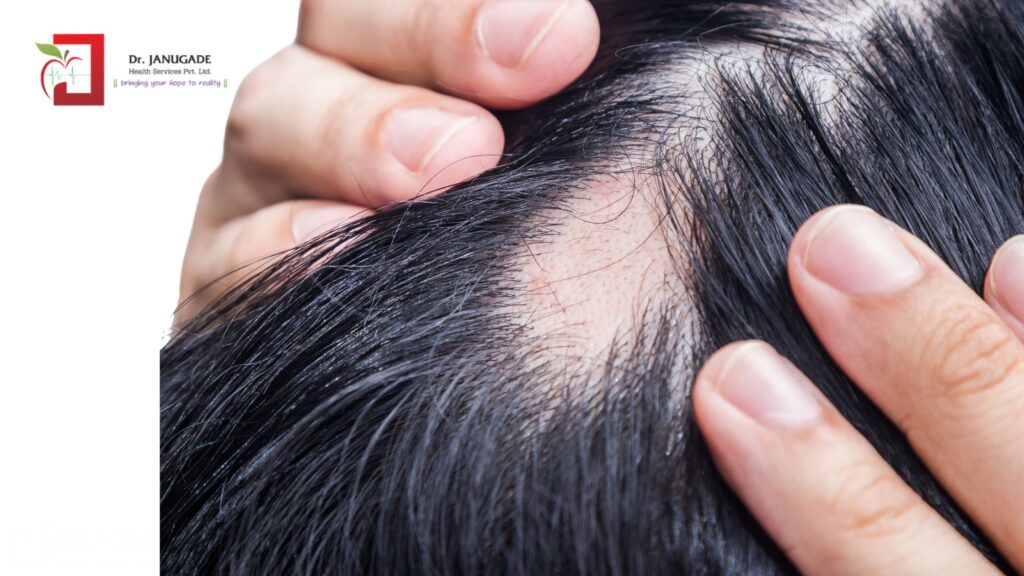
Hair is not just about looks. It’s memory, identity, sometimes even pride. For many of us, it’s one of the first things people notice. Now, imagine running your hand through your hair one day and finding a smooth, round patch of skin. At first, you think, “Maybe it’s stress.” A week later, another patch shows up. Slowly, a pattern emerges—and with it, panic.
This is what people with alopecia areata go through. It isn’t just hair falling out. It’s the shock of waking up and finding something you can’t control staring back at you in the mirror. It’s the questions from friends, the worried glances from family, and the quiet fear inside: Will all my hair be gone? Will it ever come back?
For decades, doctors had very few answers. Creams, injections, sometimes tablets—none of them gave consistent results. But now, in 2025, the story is shifting. Modern Alopecia Areata New Research 2025 has produced treatments that finally target the root cause of alopecia areata. And alongside these scientific leaps, traditional systems like Ayurveda are reminding us that true healing also involves balance, lifestyle, and emotional well-being.
Alopecia Areata Treatment – What We’ve Used So Far
Alopecia areata is an autoimmune condition. That means the body, for reasons we still don’t fully understand, mistakes the hair follicle for an invader and attacks it. The result is hair loss that can be patchy, total on the scalp, or even complete across the entire body.
Over the years, dermatologists tried different ways to handle this:
- Steroid creams and lotions – Applied to the scalp to calm down inflammation.
- Steroid injections – Tiny doses given directly into bald patches. Painful, yes, but sometimes effective.
- Topical immunotherapy – Chemicals like diphencyprone are applied to “distract” the immune system.
- Oral immunosuppressants – Strong tablets like methotrexate or cyclosporine, initially used for arthritis or transplant patients.
Some people saw regrowth, others saw no change. Even those who responded often lost hair again once treatment stopped. Side effects were another challenge. For patients, it felt like a never-ending loop of trial and error.
I still remember a young woman, barely 22, who once told me, “Doctor, I don’t care if my eyebrows grow back. I just want to feel like myself again when I look in the mirror.” That sentence captures why alopecia treatment has always been about more than just hair.
Latest Medical Breakthroughs in Alopecia Areata Treatment
Now let’s talk about what has changed.
1. JAK Inhibitors – A Real Turning Point
The most exciting development has been the emergence of a new group of medicines called JAK inhibitors. If traditional treatments were like trying to put out a fire with buckets of water, JAK inhibitors are like turning off the gas supply that started the fire in the first place.
Baricitinib became the first officially approved drug for alopecia areata. Clinical trials showed hair regrowth in patients who had been bald for years.
Ritlecitinib and deuruxolitinib are newer members of the family, giving doctors even more options.
These medicines work by blocking specific immune signals that mistakenly tell the body to attack hair follicles. They’re not without side effects—blood tests are needed to monitor patients—but compared to older drugs, they are far more precise.
I recall a middle-aged man who had worn a cap everywhere for a decade. Within six months of starting a JAK inhibitor, he returned with hair covering 70% of his scalp. He smiled and said, “Doctor, my daughter asked me if I’d dyed my hair black.” That kind of moment is what makes these medicines revolutionary.
2. Regenerative Medicine – Healing the Follicle
Alongside immune-based drugs, scientists are also exploring ways to revive dormant hair follicles.
PRP (Platelet-Rich Plasma) therapy is now widely used. A patient’s blood is drawn, spun in a machine to concentrate healing factors, and then injected back into the scalp. Many patients see improved thickness and density.
Stem cells and exosomes are newer, more experimental approaches. The idea is to harness the body’s own regenerative potential to revive dormant follicles. Early trials are showing real promise.
3. Combination Approaches
More doctors now combine treatments—such as a JAK inhibitor for controlling the immune system with PRP for nourishing the scalp. This layered approach often works better than a single method alone.
4. Toward Personalised Treatment
Not all patients are alike. Some respond beautifully to JAK inhibitors, others less so. Researchers are seeking biomarkers—small clues in blood or skin tests—that can predict who will respond best to which therapy. The hope is to transition from guesswork to precision medicine.
Alopecia Areata New Research 2025
So what’s the big news this year?
- JAK inhibitors are established. They’re no longer “experimental.” They are officially part of alopecia areata care worldwide.
- Long-term safety is clearer. Doctors now know how to monitor patients who should avoid these drugs and how to minimise risks.
- New drugs are coming. Researchers are developing even more targeted immune blockers, which may have fewer side effects.
- PRP is more standardised. Earlier, results varied significantly because the techniques differed. Now, protocols are clearer, and outcomes are improving.
- Lifestyle really matters. Studies are showing that stress, poor sleep, and diet imbalances can worsen autoimmune activity. Managing these is now part of mainstream advice.
If you’re searching for Alopecia Areata New Research 2025, the takeaway is simple: this is the most hopeful time we’ve ever had for treating the condition.
Dr Janugade Ayurvedic Clinic – Healing Beyond Medicine
At Dr Janugade Ayurvedic Clinic, we see alopecia areata not just as a medical condition but as an imbalance in the body’s system. Hair is a reflection of internal health. If digestion is weak, stress levels are high, or immunity is overactive, the scalp often shows the result.
What We Do Differently
Personalized Consultation
We don’t just ask when the hair started falling. We ask about digestion, sleep, stress, family history, and even emotions. Ayurveda sees all of these as connected.
- Ayurvedic Treatments
- Panchakarma detox to cleanse toxins.
- Herbal oils, such as bhringraj taila, for scalp nourishment.
- Rasayanas (rejuvenating herbs), such as amalaki and ashwagandha, are used to calm the immune system.
Integration with Modern Science
We respect new research. If a patient may benefit from JAK inhibitors or PRP, we encourage collaboration with dermatologists while continuing supportive Ayurvedic care.
Lifestyle and Diet
Autoimmune conditions often flare with irregular routines. Simple practices—such as warm, freshly cooked meals, meditation, yoga, and proper sleep—help regulate the immune system naturally.
Emotional Support
Losing hair is emotional. We make sure patients feel heard, understood, and supported through counselling and community care.
Conclusion
Alopecia areata is unpredictable, yes, but it is no longer untreatable. For years, patients were given hope with little evidence. Today, with JAK inhibitors, regenerative medicine, and ongoing Alopecia Areata New Research 2025, science is offering real answers.
At the same time, Ayurveda reminds us that treatment isn’t only about medicines—it’s about restoring balance, calming the mind, and healing the body from within.
At Dr Janugade Ayurvedic Clinic, we combine these worlds. Because hair regrowth is not just about looking good—it’s about feeling whole again. And that is the future of alopecia areata treatment: precise, holistic, and deeply humane.