
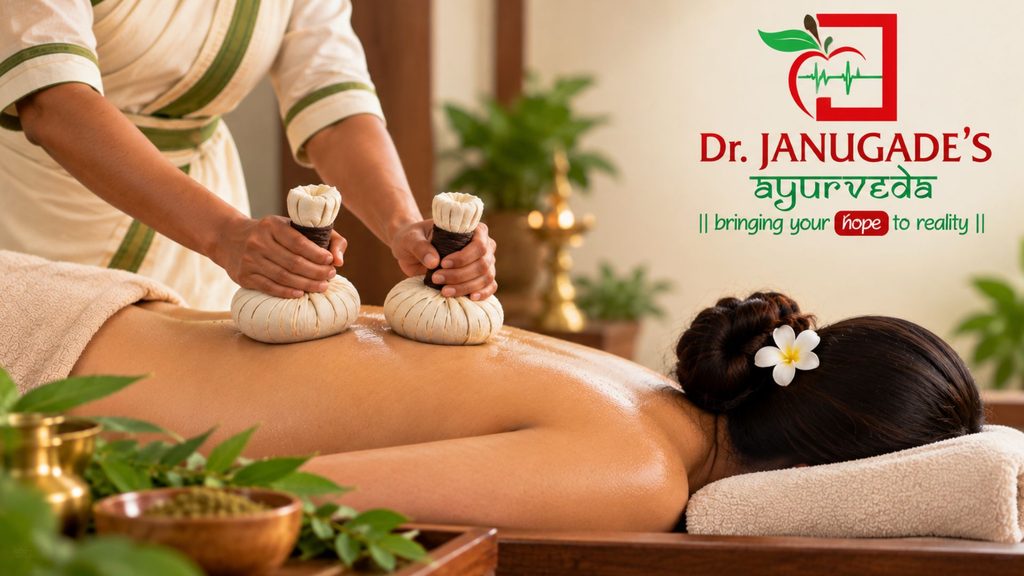
If you’ve been experiencing symptoms that seem to be a burden at the all-year round level, you may be seeking more than just a symptom management approach. Ayurvedic Panchakarma Treatment Centre in Navi Mumbai offers an structured ayurvedic approach with the help of selected Panchakarma therapy methods, diet, herbs and lifestyle guidelines as per the individual assessment.
You may find yourself feeling heavy, bloated, uncomfortable, stiff or low in energy levels, limiting your life. Panchakarma care is personalized at Dr. Janugade’s Ayurvedic Panchakarma Centre in Vashi, keeping in mind your specific health requirements, and you are given appropriate treatments, diet, herbal and lifestyle advice.
What Is Panchakarma Detox?
Panchakarma is one of the traditional Ayurvedic treatment systems which follows five main procedures Vaman, Virechan, Basti, Nasya, Raktamokshana. Every procedure plays its part in Ayurvedic therapy and is chosen depending on the patient’s health condition, symptoms and suitability.
The Ayurvedic Panchakarma Treatment centre in Navi Mumbai involves detailed assessment of the condition, formulation of treatment plan, suitable preparation, supervised treatments, post-treatment care and providing diet and lifestyle advice accordingly. This is a systematic process which makes Panchakarma a personalized treatment process and not a standard detox program.
What are the Benefits of Panchakarma Treatment?
Panchakarma is part of a traditional Ayurvedic cleansing, balancing and wellness care system, and treatments are customized according to each person’s needs.
Key benefits include:
- Digestive Support: Promotes healthy digestive habits.
- Physical Comfort: Tackles chosen physical issues.
- Relaxation: Facilitates relaxation routines.
- Lifestyle Support: Promotes more positive daily behaviors.
- Condition-Specific Care: Takes part in selected treatment plans.
- Overall Wellness: Complements organised Ayurvedic treatment.
An Ayurvedic Panchakarma Treatment Centre in Navi Mumbai can also use these techniques and add customized diet and lifestyle changes to them.
Physical Signs You May Need Panchakarma
Certain recurring physical concerns can signal the need for a detailed Ayurvedic assessment. Panchakarma is then considered according to the person’s symptoms, health condition and overall suitability.
Common physical signs include:
Persistent Digestive Issues
Recurring bloating, constipation, indigestion or irregular bowel movements can indicate the need for digestive assessment.
Body Stiffness and Discomfort
Ongoing joint, muscle or body stiffness can affect movement and daily comfort.
Skin-Related Concerns
Recurring dryness, irritation, scaling or other skin concerns can require individualized Ayurvedic care.
Joint and Mobility Concerns
Persistent joint discomfort, reduced flexibility or difficulty with comfortable movement deserves proper assessment.
Headaches and Physical Discomfort
Frequent headaches or recurring unexplained physical discomfort can indicate the need for professional evaluation.
Digestive Irregularity
Changes in appetite, bowel patterns or digestive comfort that continue over time require attention to diet and daily routine.
Lifestyle Signs You May Need Panchakarma
Certain lifestyle patterns can also highlight the need to review daily habits and seek personalized Ayurvedic guidance.
Lifestyle signs include:
Sedentary Routine
Spending long hours sitting with very little movement can affect physical activity and daily well-being.
Irregular Meal Schedule
Frequently skipping meals or eating at inconsistent times can disrupt a healthy daily routine.
Poor Dietary Habits
Frequent processed foods, overeating or unbalanced meals can make healthy eating difficult to maintain.
High-Stress Routine
A demanding schedule with limited relaxation can interfere with healthy daily habits and recovery.
Irregular Daily Schedule
Inconsistent timings for work, meals, exercise and rest can make it difficult to maintain a balanced routine.
Limited Self-Care
Little time for exercise, relaxation, personal care or healthy routines can gradually affect overall lifestyle quality.
Persistent Tiredness After Sleep
Feeling tired, heavy or low on energy even after a full night’s sleep can indicate that your daily routine and overall health need closer assessment.
Who Should Avoid Panchakarma?
Panchakarma is not suitable for everyone, and it’s best to have a professional evaluate you before treatment.
Care needs to be taken with pregnancy, acute illness, high levels of weakness, dehydration and some medical conditions. It is recommended to have a review of health history by a qualified Ayurvedic practitioner before health history and current medicines are known, and then recommend Panchakarma.
Panchakarma should not be administered by oneself and should not be chosen from a list of therapies online.
Who Can Benefit from Ayurvedic Panchakarma Treatment Centre in Navi Mumbai?
An Ayurvedic Panchakarma Treatment Centre in Navi Mumbai can provide selected Panchakarma-based care for different health concerns according to individual assessment.
Common conditions covered include:
Musculoskeletal & Rheumatological Disorders
Panchakarma-based care can be considered for arthritis, osteoarthritis, rheumatoid arthritis, cervical spondylosis, lumbar spondylosis, ankylosing spondylitis and sciatica, particularly when stiffness, joint discomfort or restricted movement affects daily activities.
Neurological Disorders & Rehabilitation
Selected Ayurvedic therapies can support care for conditions such as migraine, facial palsy, neuropathy, paralysis and post-stroke rehabilitation, alongside appropriate medical and rehabilitation care.
Digestive & Gastrointestinal Disorders
Panchakarma can be incorporated into Ayurvedic plans for constipation, indigestion, bloating, gastritis, acidity and irritable bowel syndrome (IBS), with diet and lifestyle guidance.
Metabolic & Lifestyle Disorders
Ayurvedic care can address lifestyle factors associated with obesity, type 2 diabetes, fatty liver disease, high cholesterol and metabolic concerns, along with appropriate medical management.
Skin Disorders
Selected Panchakarma therapies can form part of treatment plans for psoriasis, eczema, dermatitis, vitiligo, acne and other skin concerns, together with herbal, dietary and external therapies.
Women’s Health
Individualized Ayurvedic plans can address concerns such as PCOD/PCOS, irregular periods, dysmenorrhea, menstrual disorders and menopausal concerns.
Stress, Sleep & Mental Well-Being
Suitable therapies can support relaxation and healthy routines for insomnia, chronic stress, sleep disturbances and stress-related fatigue.
Healthy Ageing & Preventive Healthcare
Ayurvedic wellness programs can focus on concerns such as age-related stiffness, reduced mobility, general weakness and lifestyle-related health concerns.
What Does Ayurvedic Panchakarma Treatment Centre in Navi Mumbai Involve?
Treatment at an Ayurvedic Panchakarma Treatment Centre in Navi Mumbai starts with the assessment and then followed by the selected treatment procedure, diet and post procedure instructions.
The five core procedures are:
- Vaman: Therapeutic vomiting (in specific protocols).
- Virechan: Therapeutic purgation (only in suitable plans).
- Basti: Use of medicated enema.
- Nasya: Medicated nasal therapy.
- Bloodletting (Raktamokshana): Traditional blood letting practiced in some protocols.
Ayurvedic Herbs & Supportive therapies for Panchakarma
Herbal support is selected according to the individual’s treatment needs and can complement Panchakarma procedures.
Commonly used herbs include:
- Neem: Traditionally used in Ayurvedic care for skin-related concerns.
- Turmeric: Commonly included for its traditional anti-inflammatory and skin-supportive properties.
- Aloe Vera: Used in Ayurvedic skin and digestive care.
- Manjistha: Traditionally used to support skin health.
- Khadira: Commonly used in traditional Ayurvedic skin care.
- Guduchi: Traditionally used as a supportive Ayurvedic herb for overall wellness.
For selected skin concerns, supportive therapies include:
- Abhyanga: Medicated oil massage.
- Swedana: Herbal steam therapy.
- Shirodhara: Gentle flow of medicated oil.
- Udvartana: Herbal powder massage.
- Pizhichil: Warm medicated oil therapy.
Choosing an Ayurvedic Panchakarma Treatment Centre in Navi Mumbai
Choosing a centre involves checking qualifications, personalized planning, hygiene, supervision and follow-up.
At Dr. Janugade’s Ayurvedic Panchakarma Centre, Dr. Archana Janugade is a BAMS (Bombay) physician with 24 years of clinical experience.
Key factors include:
- Qualified Expertise: BAMS physician.
- Personalized Care: Individual treatment planning.
- Suitable Therapies: Selected after assessment.
- Hygiene: Clean treatment environment.
- Monitoring: Regular treatment review.
- Follow-Up: Ongoing progress assessment.
Conclusion
Panchakarma is an individualized Ayurvedic treatment approach rather than a standard detox routine. The right procedures depend on health status, symptoms and professional assessment. An Ayurvedic Panchakarma Treatment Centre in Navi Mumbai provides structured care through selected Panchakarma, herbs, diet, lifestyle guidance and follow-up.
If you’re dealing with joint pain, back or neck discomfort, skin concerns, hair loss, sinus problems, headaches, PCOD/PCOS, fertility concerns, or other health issues, Dr. Janugade’s Ayurvedic Panchakarma Centre offers personalized care based on your individual needs.
Explore our specialised Ayurvedic treatments and Panchakarma therapies to understand which approach may be suitable for your concerns.
Contact us today to discuss your health needs and explore the right Ayurvedic treatment for you.
FAQ’s
How Do I Know If I Need Panchakarma?
An Ayurvedic evaluation can occur due to recurring digestive issues, stiffness, fatigue, stress, and poor sleep or lifestyle concerns.
What Are the Five Panchakarma Procedures?
Vaman, Virechan, Basti, Nasya and Raktamokshana are the five main procedures.
Is Panchakarma Suitable for Everyone?
No. Each individual’s health is different and the medical history and therapy to be used will determine suitability.
Which Conditions Can Panchakarma Support?
Some of the selected Ayurvedic plans include Panchakarma treatments for musculoskeletal, digestive, skin, metabolic, neurological and women’s health issues.
How Is Panchakarma Treatment Planned?
An Ayurvedic doctor evaluates symptoms and an individual’s needs and then chooses a therapy for the best treatment.