
Ayurvedic Treatment for Eczema in Vashi, Navi Mumbai
Some autoimmune diseases that can be handled through Ayurveda include dermatitis, which refers to itching, redness, and sore skin, known as eczema. In our clinic, which is located in Vashi, Navi Mumbai, we address the cause of eczema and do not just cure it. According to Ayurveda, eczema arises from the dysfunction of the energy called Vata, Pitta, and Kapha doshas and tries to bring it back into harmony.
For eczema, we prescribe individual herbs, oil treatments, and Panchakarma therapies, which detoxify the body, minimize inflammation, and rejuvenate the skin. Antiseptic creams containing natural elements such as neem, turmeric, aloe vera, herbal oil creams, and special pastes are used to massage the skin and prevent itchiness and inflammation.
Panchakarma, or internal detoxification, is a priority. This process helps eliminate toxins (ama) in the body and contributes to skin improvement. Some of the procedures that can be prescribed for you are Virechana (a process of therapeutic purgation), Swedana (an induced sudation therapy), and Shirodhara.
Besides the types of treatment listed above, dietary advice also significantly impacts the treatment of eczema. Products that should be avoided include Pitta pacifying foods, foods that have been processed using spices, excessive oil use, or acidic. Products that should be consumed include cooling and soothing remedies such as cucumber, melons, and green leaflets.
Our philosophy of managing eczema is natural ayurvedic, and we work to help you achieve skin wellness without quick fixes.
Causes of Eczema
A common type of dermatitis is a long-term skin disorder or condition influenced by genetic, environmental, and lifestyle predispositions, with a chief characteristic being itchiness or inflammation on the skin
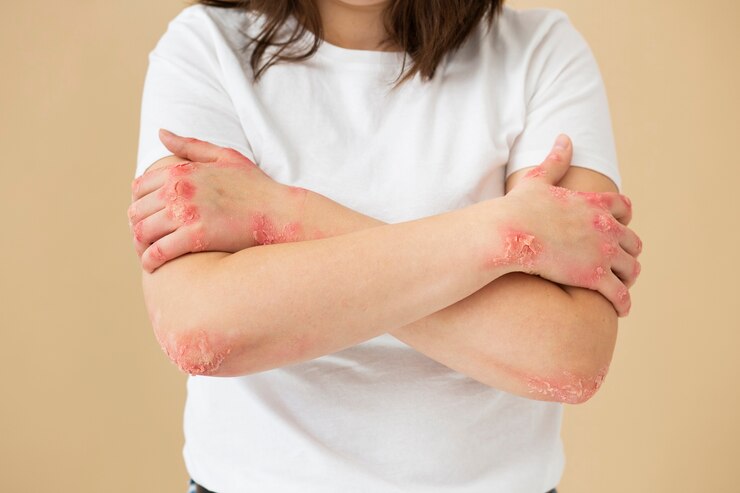
Here are the key contributors
Genetics
There is the genealogy of the probability of having the disease where one has hereditary factors such as eczema, asthma, or hay fever. Abnormalities in the genes tend to reduce the skin barrier function and, therefore, make it more sensitive.
Skin Barrier
In eczema, the skin’s barrier function is compromised, resulting in frequent dryness, inflammation, and loss of ability to protect from irritants, allergens, and bacteria
Overactive Immune System
This results in redness, itching, and even skin damage as a result of an overreaction to any trigger, such as allergens or irritants
Environmental Triggers
Some of the chemicals that may worsen the symptoms of eczema include pollutants, excessive heat or cold, pollen, pet dander, and harsh detergents or soaps
Stress and Emotional Factors
Cortisol, a chemical produced by the body in response to stress, compounds the problem since it may hamper the skin’s ability to repair it during the night
Dietary Sensitivities
Foods such as dairy, eggs, nuts or gluten products can be provocateurs in those sensitive, especially in children
Hormonal Imbalances
The fluctuations in hormones can lead to the occurrence of eczema; this is in cases of pregnant women or women in their menstrual periods or menopause
Knowledge of those causes is helpful in achieving comprehensive treatment of eczema by Ayurveda, which looks at possibilities of internal and external mechanisms for cure
Ayurvedic Panchakarma Treatment for Eczema
Eczema is thus best handled if dealt with conclusively thanks to Panchakarma, a procedure of detoxification inherent in Ayurveda. It is one of the oldest treatments used today, which involves purifying the body, improving the outer layer of the skin, and boosting the body’s ability to fight off infections.
Virechana (Purification Therapy)
This treatment cleanses the body of toxins and helps regulate the Pitta dosha, which is usually increased in skin diseases such as eczema. It also helps with inflammation and itching and encourages healthier skin

Abhyanga (Herbal Oil Massage)
With the application of warm medicated oils, the skin and muscles are fed at the same time as toxic elements are expelled, and the rash is eased.
Swedana (Herbal Steam Therapy)
Eczema may create dry skin and itching, which can be relieved by a steam treatment using medicinal herbs to open the pores and remove toxins

Takradhara (Buttermilk Therapy)
In this therapy, liquid lukewarm medicament – which is a mixture of curd and some specific drug – is spread over the parts covered with rash and itching,

Raktamokshana (Blood Purification)
This treatment purifies the blood and erases spots that cause this skin complication, hence eliminating the skin condition. It works to monitor the relapses and bring skin normalcy

Internal Medication
For this purpose, neem, turmeric, and manjistha are used in Ayurveda to purify the blood and enhance the body’s immunity & skin healing properties from the inside
Thus, if Ayurvedic Treatment is combined with Panchakarma, lifestyle change, and a healthy, balanced diet, it has been proven to be a safe and natural cure for Eczema skin problems, providing long-term healthy skin solutions.
Who Should Consider Ayurvedic Treatment for Eczema?
The fact that the Ayurvedic treatment for eczema brings out natural remedies makes the treatment option suitable for people desiring a holistic cure for this stubborn skin disorder. This one discusses the promotion of health as a way of treating the skin condition, which originates from dysfunctions in the doshas (Pitta and Kapha), toxins in the body, and the body’s immune system
Chronic Eczema Patients
If you have the type of eczema that does not easily respond to topical treatments or medications, Ayurveda helps to bring doshas back to balance and cleanse hormones from the bloodstream
Individuals Experiencing Severe Symptoms
Patients with itchy, red, swollen, and cracked skin would benefit from Panchakarma treatments, including Abhyanga, Swedana, and Virechana, because such conditions are caused by inflammation
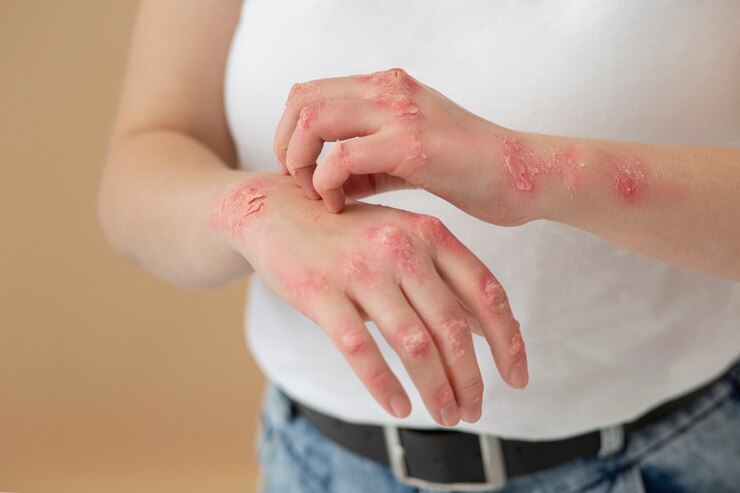
People with Allergic Reactions
If your eczema was triggered by food, weather, or environmental allergens, Ayurvedic herbs, and dietary counseling can improve the immune system and minimize the allergic reaction
Those Seeking Non-Invasive Therapies
While treating the disease, following the systems of herbal medicines, detoxification procedures, and changes in lifestyle do not cause any harm to the physical structure of the body
Individuals with Lifestyle-Induced Eczema
Sometimes, eczema flare-ups are hereditary, while others can result from stress, poor diet, or lack of sleep. Stress reduction techniques, changes in diet, and rejuvenation therapies form the treatment process in Ayurveda
This way, people can take advantage of Ayurvedic treatment for its outcomes that do not include flare-ups, side effects, and worsened skin conditions
Why Choose Our Ayurvedic Clinic for Eczema in Vashi,
Navi Mumbai?
In Integrative Health, Ayurveda Counseling and Healing Arts clinic, we offer a holistic, personalized approach to preventing and curing eczema. Having a core understanding of Ayurveda and years of experience, We can say that the condition is managed with an emphasis on resolving the fundamental issues of the ailment.
All our treatments are then delivered according to the dosha constitution of the patient as well as the actual stress factors. Actually, our practitioners employ several localized treatments such as Panchakarma procedures, medical herbs, and dietary switches to flush out toxins, regulate the doshas, and cure their sickness.
The gentle treatments we deliver to our patients also respect the needs of patients and avoid exposing them patients to toxic substances used in aggressive procedures. Cleanliness and comfort of the patients are our core primary concerns that warrant a tension-less recovery phase. Subsequent visits and counseling regarding diet, hydration, and exercise will also contribute to improved control of the disease in the future.
Visit our clinic for a natural treatment of eczema that targets only that area professionally and sensitively.
Lifestyle Modifications to Treat Eczema Along with Panchakarma Solution
Eczema can be effectively managed when certain changes in people’s lifestyles accompany Panchakarma therapies. All these actions are aimed at helping the doshas balance the body and keep irritations and inflammations to a minimum while enhancing the skin’s natural condition.
It is advisable to follow a Pitta-Kapha pacifying diet if one has these traits or is likely to develop them for some reason
Reduce your consumption of hot, spicy foods, foods that are oily, and foods that have been processed. Introduce materials such as water-rich foods, green leafy vegetables, and whole grains on the table. Herbal teas must be taken, and ghee should be ideally consumed, although to a certain extent.
Hydrate Adequately
Ensure you take water at normal temperatures or even at room temperature to wash out toxins in the body. Do not consume cold foods thermo reversals except for drinking water because they harm digestion and aggravate Kapha
Practice Stress Management
Many of the patients suffering from eczema know that stress contributes to the worsening of the condition. Integrate Anglican practices such as yoga, meditation, and pranayama to be able to get the mental health state balanced and also avoid cortisol levels that cause flare-ups
Avoid Harsh Chemicals
Use skincare products that do not contain some fragrance. Some herbal oils you can use are coconut oil or neem oil to help with inflammation and to avoid the skin becoming too dry. Showering with hot water should also be discouraged as it poses a major problem to the skin
Keep to a regular sleep schedule
Sleep is extremely important for the process of skin renewal. The following few pieces of advice focus on the regularity of sleep: People should stick in particular to a regular sleep-wake schedule and establish a routine for the time before going to bed and when waking up
Protect Against Allergens
There is a need to avoid things that may trigger eczema, such as dust or pollen or clothes made from synthetic fabric. They should avoid wearing tight clothes, such as nylon and synthetic fabrics because they cause chaffing and itching The above-discussed lifestyle modifications can be combined with Ayurvedic Panchakarma procedures such as Abhyanga, Virechana, and Takradhara for long-term freedom from diseases, histamine release, and skin problems.
FAQs
What are the leading causes of eczema?
Eczema (Vicharchika in Ayurveda) is a chronic inflammatory skin condition caused by an imbalance in the three doshas — primarily Kapha and Pitta — along with Ama (toxin) accumulation in the blood and skin tissues. Key triggers include poor digestion, incompatible or spicy/fermented foods, chronic stress, weakened immunity, genetic factors, environmental allergens, and chemical exposure. At Dr. Janugade’s clinic for ayurvedic treatment for eczema in Navi Mumbai, each patient undergoes a thorough doshic and lifestyle assessment before a personalised treatment plan is designed.
How can Ayurvedic treatment help manage eczema symptoms?
Ayurvedic treatment works by purifying the blood, eliminating toxins, correcting doshic imbalances, and restoring skin health from within. Panchakarma therapies like Virechana and Raktamokshana cleanse the blood, while herbs such as Neem, Manjistha, Turmeric, and Guduchi reduce inflammation and itching internally. Medicated oils and herbal pastes soothe the skin externally. This comprehensive inside-out approach makes ayurvedic treatment for eczema in Navi Mumbai effective for both immediate relief and long-term skin restoration.
Is Ayurvedic Panchakarma therapy effective for treating eczema?
Yes, Panchakarma is highly effective as it targets the root cause by eliminating toxins and correcting deep doshic imbalances. At Dr. Janugade’s clinic, key therapies include Virechana (purging excess Pitta), Raktamokshana (blood purification), Takradhara (medicated buttermilk application to soothe inflammation), and Abhyanga (medicated oil massage). Together, these therapies heal the skin from within and significantly reduce the frequency and severity of eczema flare-ups.
How long does it take to see improvements with Ayurvedic treatment for eczema?
The duration of treatment varies depending on the severity of the condition, the patient’s overall health, and consistency with the prescribed regimen. At Dr. Janugade’s clinic for ayurvedic treatment for eczema in Navi Mumbai, most patients begin noticing visible improvement within four to eight weeks. However, a complete course of three to six months is typically recommended for sustained relief, root-cause correction, and long-term prevention of recurrence.
Are Ayurvedic treatments safe for children with eczema?
Yes, Ayurveda uses a range of potent herbs to treat eczema effectively. Commonly used herbs at Dr. Janugade’s clinic include Neem (antibacterial and anti-inflammatory), Manjistha (blood purifier), Khadira (skin detoxifier), Turmeric (reduces inflammation), and Guduchi (immunity booster). These are prescribed in the form of herbal decoctions, tablets, or external applications depending on the patient’s doshic profile and severity of the condition.
Can lifestyle modifications help in managing eczema alongside Ayurvedic treatment?
Yes, lifestyle modifications significantly enhance Ayurvedic treatment outcomes. At Dr. Janugade’s clinic for Ayurvedic Treatment Eczema Navi Mumbai, patients are advised to wear soft cotton fabrics, avoid harsh soaps, manage stress through yoga and meditation, and follow a dosha-balancing diet. Combined with personalised Ayurvedic Treatment Eczema Navi Mumbai protocols, these changes help strengthen immunity, restore doshic balance, and support long-term skin health.
What are the long-term benefits of Ayurvedic treatment for eczema?
Unlike conventional treatments that primarily suppress symptoms, Ayurvedic treatment for eczema in Navi Mumbai at Dr. Janugade’s clinic offers lasting benefits by addressing the root cause. Long-term advantages include reduced frequency of flare-ups, improved skin texture and hydration, better digestion and immunity, balanced doshas, and elimination of accumulated toxins. Patients also experience improved overall health and reduced dependency on steroidal creams or antihistamines over time.