
Ayurvedic Treatment for Arthritis in Vashi,
Navi Mumbai
Arthritis of the joints usually leads to pains, stiffness, swelling, or other forms of inflammation, affecting the quality of one’s life. Ayurvedic cure for arthritis is a noninvasive procedure that provides a permanent solution by tackling the leading cause. In our clinic at Vashi, Navi Mumbai, we treat many patients who suffer from arthritis, osteoarthritis, rheumatoid arthritis, and gout.
According to Ayurveda, arthritis is described as vata predominance, resulting in the degeneration and inflammation of the joints. The therapies that comprise the Detoxification method embrace the Panchakarma therapies of Virechana (cleansing another by purgation) and Basti (cleansing through medicated enema). The use of Screws, Medicated oils, and herbal formulations are applied externally and orally to remove pain and to have lubricated movements in joints. Other additional treatments like Abhyanga- oil treatment and Swedish-steam treatment also assist in diminishing the hardness of the muscles and grouping blood flow to the muscles.
People suffering from arthritis should adhere to particular dietary and lifestyle changes. According to doctors, light foods and certain things should be avoided, including cold or heavy food intake, free movement, and optional exercises like yoga. In this way, Ayurvedic treatment is effective in curing the disease and preventing the recurrence of periodic arthritis breaks. Thus, it is a holistic and long-term solution to arthritis treatment.
Causes of Arthritis
Arthritis is a condition that is affected by various mechanisms that cause joint pain, inflammation, and stiffness. Knowledge of all these causes is important in the management and treatment process.
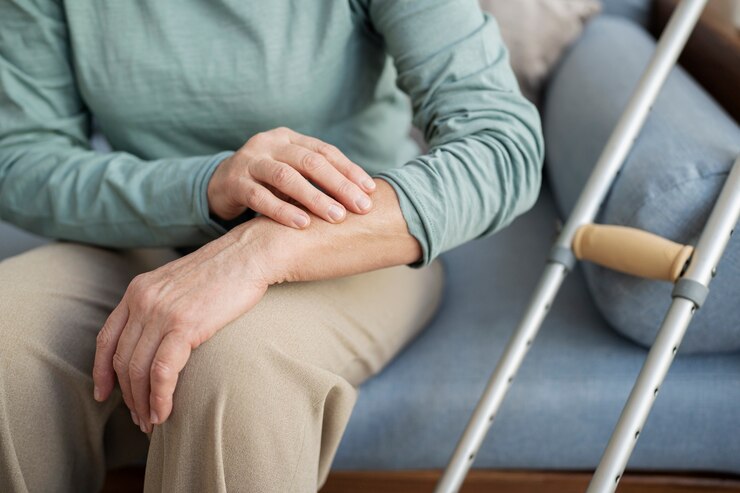
Autoimmune Disorders
Some arthritis, such as rheumatoid, results from your immune system attacking normal joint tissues, thus causing inflammation and problematic changes.
Wear and Tear
Most often, osteoarthritis occurs due to changes in the structure of the joint, which leads to the degeneration of cartilage, the slippery tissue that covers the ends of bones. It is common to observe this degeneration due to wear and tear and use or during a certain age in life.
Genetic Predisposition
Infections
Some infections cause arthritis, specifically reactive arthritis, which is where arthritis Developing arthritis occurs due to an infection in another area of the body.
Obesity
Obesity increases the load on the knee, hip, and spinal joints and results in increased wear and tear of cartilage and inflammation.
Injuries
Previous injuries to a joint may result in what is known as post-traumatic arthritis because future inflammation and joint damage become common.
Disturbance of Doshas
According to the Ayurvedic Concept From the Ayurveda perspective, arthritis is due to Vata dosha dysfunction; Vata produces dryness in the Joints or Ama, the toxic product from the improper digestion of food which slows down the channels of circulation.
Understanding these causes should lead to the implementation of specific treatment methods based on Ayurveda and the correction of life patterns in arthritis, which will facilitate better joint health naturally.
Symptoms of Arthritis
Arthritis manifests with diverse symptoms and mainly affects the joints, surrounding tissue, and, in some cases, the entire body. These are some of the warning signs that need to be addressed before the condition becomes out of hand or unmanageable.

Joint Pain
Joint pain and stiffness are the most common signs of arthritis, which is prolonged and may occur in one or more joints. The pain can be mild or severe and worsen with activity or at night.

Swelling and Inflammation
Odema is frequent around the joints and is usually associated with warmth and erythema, indicative of arthritis.
Stiffness
Stiffness of the joints, most commonly apparent in the morning or after rising from a seated or lying position, also indicates fibromyalgia; moving the joints involved proves to be enormously painful.

Limited Range of Motion
Arthritis limits joint flexibility in the body, which means simple tasks such as walking, bending, or picking up an object may become difficult.

Fatigue
What most people with arthritis, especially the autoimmune types such as rheumatoid arthritis, complain of are feelings of tiredness, muscle weakness, and even flu-like symptoms.
Joint Deformity
Chronic arthritis at its worst is associated with deformities, whereby the joint may develop abnormally shaped or positioned joints, usually in the fingers or toes.

Cracking or grinding-like sensations
Due to the wearing away of cartilage in osteoarthritis, patients may hear a rubbing or creaking sound when moving the affected joint, which is known as crepitus.
With the above-mentioned symptoms, there is a possibility of preventing further deterioration of arthritis through Ayurvedic remedies and lifestyles.
Ayurvedic Panchakarma Treatment for Arthritis
As a powerful and key part of Ayurvedic treatment, Panchakarma provides a successful method for dealing with arthritis both on physical and metaphysical levels. Dr. Janugade Ayurvedic Clinic in Vashi, Navi Mumbai, many Panchakarma therapies are given to detoxify the body, balance the doshas, and revitalize joints.
Arthritis partnered with a Vata imbalance, or Ama, has to be treated with therapies that effectively clear these different impurities from the body. The Panchakarma process for arthritis includes
ABHYANGA (Medicated Oil Massage)
A rich, warm oil massage is applied all over the body to nourish the skin tissues, stimulate circulation, and lessen stiffness and pain in arthritic joints. Often referred to as herbal steam therapy, Swedana enhances the efficiency of Panchakarma procedures, which seek to expel toxins from the body.This therapy involves washing the body with steam from herbs and making the pores open in a bid to expel toxins from the body. It also treats muscle and joint pains.
Virechana (Purgation Therapy)
A cleansing process that aims to get rid of the body’s toxin reservoir in the G.I. Tract to combat inflammation and build up immunity.
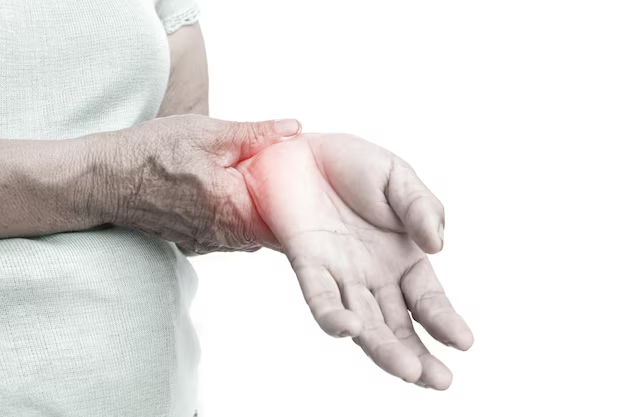
Basti (Medicated Enema)
Basti is particularly useful for arthritis. It addresses Vata dosha and helps reduce joint pain, stiffness, and inflammation and increase flexibility.
Upanaha (Herbal Poultice)
The affected joints are warmed using hot herbage emollients to help alleviate pain and inflammation.
Aided by diet alteration, herbal medicine, and changes in daily routine, Panchakarma not only affects arthritis but also helps to prevent its development and has long-term beneficial effects on the patient’s mobility.
Who Should Consider Ayurvedic Treatment for Arthritis?
-
The use of Ayurvedic treatment can be recommended for every person who has a problem with joint pain and discomfort. As a bonus, it tackles the causes of arthritis without neglecting the other aspects of the patient’s health. Those who can benefit include:
-
The use of Ayurvedic treatment can be recommended for every person who has a problem with joint pain and discomfort. As a bonus, it tackles the causes of arthritis without neglecting the other aspects of the patient’s health. Those who can benefit include:
- Osteoarthritis or Rheumatoid Arthritis Disease Diagnosis Suppose arthritis is mild due to joint wear and tear or severe due to an autoimmune condition. In that case, Ayurvedic therapy, like Panchakarma, uses detoxification to remove the disease and regulate the spoiled doshas.
- Patients with chronic joint disorders For individuals experiencing chronic joint pain that hinders movement and everyday living, Ayurveda is beneficial since it decreases inflammation, thus improving joint motion.
- People Suffering Side Effects of Allopathic Medicin As with any medicine, if the side effects of modern painkillers and anti-inflammatory medicines are felt, then Ayurveda offers a safe, natural treatment for arthritis. Vata Imbalance Symptoms Unlike most people, those diagnosed with this genetic condition come with the following features: Ayurveda can manage the symptoms of arthritis caused by increased Vata dosha, such as rigidity, dryness, and a feeling of cracking inside joints.
- People Suffering Side Effects of Allopathic Medicin As with any medicine, if the side effects of modern painkillers and anti-inflammatory medicines are felt, then Ayurveda offers a safe, natural treatment for arthritis. Vata Imbalance Symptoms Unlike most people, those diagnosed with this genetic condition come with the following features: Ayurveda can manage the symptoms of arthritis caused by increased Vata dosha, such as rigidity, dryness, and a feeling of cracking inside joints.
- People Looking for Minimally Invasive Treatments Those who are averse to operations or specialist surgeries and who have not wanted to undergo severe invasive treatments can now enhance the health of their joints through Ayurvedic therapie
- People Looking for Minimally Invasive Treatments Those who are averse to operations or specialist surgeries and who have not wanted to undergo severe invasive treatments can now enhance the health of their joints through Ayurvedic therapie People Seeking Wholistic Treatment If your aim is not only to deal with a number of problems associated with arthritis but also with numerous physical and psychological issues, the best solution is to turn to Ayurveda, as this discipline is characterized by rather wide-scope non-medicinal interventions as well as natural remedies. Seeing an expert in this field can help prevent a one-size-fits-all approach, which may not be very effective or empowering for someone with arthritis.
Why Choose Our Ayurvedic Clinic for Arthritis in Vashi, Navi Mumbai?
Here’s why we stand out

Tailored Treatment Plans
That is why we do not focus only on an average patient’s condition when designing the program and estimating its further development. The therapy provided for our basic needs will meet your unique requirements for exercises, ranging from alleviating pain to regaining more.

Experienced Practitioners
Our staff of Ayurvedic practitioners has years of experience in its field to guarantee that you receive practical advice and care.
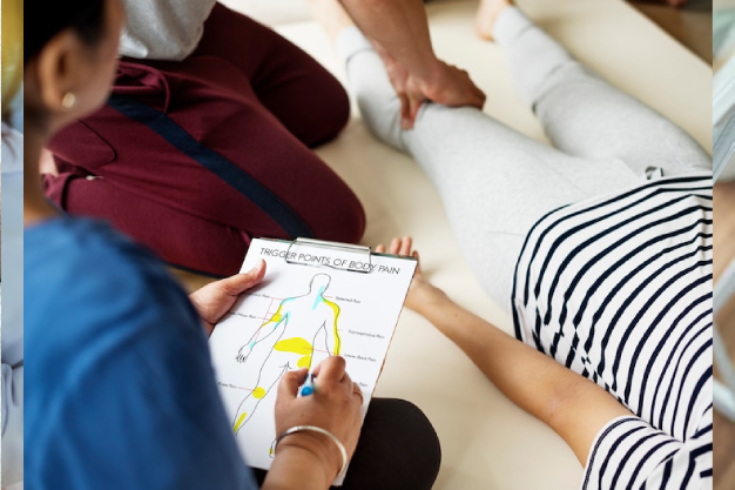
Holistic Five Procedures
Some Panchakarma therapies include Abhyanga, Basti, and Virechana, which help clean your body, decrease inflammation, and regain doshas harmony from a long-term perspective.

Safe and Natural Remedies
Among the treatments recommended and utilized at the clinic, we use only natural remedies based on herbs without harmful side effects, making the treatments available for all age groups.

Management and Surveillance
Our team continues to follow up on our patients, monitor their progress, and offer the best dietary advice to achieve maximum positive results.
Get the best Natural, comprehensive, and efficient arthritis treatment with us. We can assist you in gaining flexibility and avoiding pain that you never thought possible.
Lifestyle Modifications to Treat Arthritis Along with Panchakarma Solution
Therapies are only a part of arthritis treatment and care; the patient needs to make certain lifestyle adjustments over time to feel the difference and have healthier joints. In conjunction with the Panchakarma solutions, these modifications can greatly increase results.
Maintain a Balanced Diet
Take medicines that reduce inflammation, such as fresh vegetables, fruits, whole grains, fish, and flax seeds. Avoid processed foods that contain high levels of salt, fructose, or sugar or fried foods that worsen joint pain.
Engage in Regular Exercise
Low-impact exercises, such as stretching, yoga, or swimming, can help increase joint and muscle flexibility and decrease joint swelling.
Practice Stress Management Practices
It is also important to note that stress is an exacerbating factor in arthritis. Learn mindfulness, meditation, or breathing exercises to help prevent inflammation of the brain and boost healthy cognition.
Stay Hydrated
Hydration assists in the removing toxins (Ama) and ensures that the joints are lubricated,, preventing further harm. Try to drink at least 8- 10 glasses of water daily.
Use Joint-Friendly Habits
Do not tighten the joints, and keep the right posture as far as possible. Otherwise, try to incorporate a support aid where, for individuals, this may comprise a soft foot prosthesis in a shoe or for others who are using ergonomic items in their work.
Take Your Meals at the Right Time
Sleep is very important in the healing process and helps reduce inflammation. Paying a lot of attention to the quality of sleep is achieved when the body is in its best state to repair itself.
Herbal Remedies and Drugs
Consult an Ayurvedic practitioner for extra joint assistance and mix herbs like Ashwagandha, Guggul, or Shallaki into your daily life.
Suppose you synchronize these lifestyle measures with Panchakarma therapies like the Basti technique, Abhyanga, and Swedana. In that case, you can successfully deal with arthritis, increase the extent of your physical activities, and take full charge of your health qualitatively.
FAQs
What are the common causes of arthritis?
Dosha’s tend to overflow from their locations when they are disturbed and vitiated over their normal limits as a result of stress, uncertain eating habits, lifestyle choices, environmental and geographical factors. The doshas become stuck in weak and vulnerable joints and cause a disease process in those individuals. They cause significant damage, loss of movement, and gradual harm and damage to the tissues that make up the joint.Doshas tend to overflow from their locations when they are disturbed and vitiated beyond their normal limits as a result of stress, uncertain eating habits, lifestyle choices, and environmental and geographical factors. When seeking ayurvedic treatment for arthritis in Navi Mumbai, it is important to understand that these aggravated doshas become stuck in weak and vulnerable joints and cause a disease process in those individuals. They cause significant damage, loss of movement, and gradual harm to the tissues that make up the joint. Ayurvedic treatment works by pacifying these vitiated doshas, eliminating accumulated toxins from the joints, and restoring normal tissue health to reduce pain, inflammation, and progressive joint damage effectively.
How can Ayurvedic treatment help manage arthritis symptoms?
Based on Ayurveda, arthritis is a condition brought on by imbalances in the body’s doshas, especially Vata, which controls movement and is frequently linked with stiffness and discomfort in the joints. Ayurvedic treatment for arthritis in Navi Mumbai at Dr. Janugade’s clinic maintains balance through the following approaches:
- Panchakarma (Detoxification): Toxins can be removed with cleansing procedures like Basti (medicated enemas) and Virechana (purgation).
- Ayurvedic Medicines: Guggulu, Shallaki (Boswellia serrata), and Ashwagandha are anti-inflammatory medicines that promote joint health and pain relief.
- Dietary Changes: Anti-inflammatory and Vata-balancing foods, such as warm, prepared meals with little processed ingredients, are the focus of personalised diets.
- External Therapies: Abhyanga (oil massage) and Swedana (steam therapy) are two treatments that increase joint mobility and decrease stiffness.
Is Ayurvedic treatment for arthritis effective in reducing pain and inflammation?
Ayurvedic treatments have shown effectiveness in managing pain and inflammation in arthritis through: Anti-inflammatory Properties: Medicinal herbs like Shallaki and Turmeric (Curcuma longa) reduce inflammation naturally.
- Pain Relief: Medicated oils used in therapies like Pizhichil and Kati Basti target pain and stiffness in specific areas.
- Improved Joint Health: Regular treatments can enhance lubrication and flexibility in joints.
- Scientific Evidence: Studies have supported the efficacy of Ayurveda in managing symptoms of conditions like osteoarthritis and rheumatoid arthritis. However, its success varies among individuals and depends on the severity of the condition and adherence to treatment methods.
How long does it take to experience relief from arthritis with Ayurvedic treatment?
The timeline for experiencing relief through ayurvedic treatment for arthritis in Navi Mumbai at Dr. Janugade’s clinic varies from person to person, but here is what patients can generally expect:
- Initial Relief: Depending on the degree of arthritis and the treatment plan, some people may experience a reduction in symptoms, especially pain and stiffness, in as little as two to four weeks.
- Long-term Improvements: It may take three to six months of regular treatment, which includes dietary adjustments, treatments, and lifestyle changes, to see long-lasting improvements for chronic arthritis.
- Things That Affect Time: The kind of arthritis and its stage (e.g., rheumatoid arthritis versus osteoarthritis), the person’s general health and compliance with the recommended course of action.
- The Regularity of Herbal Consumption and Treatments: Consistent adherence to Panchakarma therapies and herbal medicines plays a significant role in determining how quickly patients respond to ayurvedic treatment for arthritis in Navi Mumbai and achieve sustained relief from pain, inflammation, and joint stiffness.
What Panchakarma therapies are most effective for arthritis treatment?
Panchakarma offers several highly targeted therapies for arthritis that work directly on the affected joints and the underlying doshic imbalances. Basti, or medicated enema, is considered the most important treatment for Vata-related arthritis as it directly addresses the root dosha responsible for joint deterioration. Janu Basti involves retaining warm medicated oil on the knee joint to relieve pain and stiffness. Pinda Sweda uses warm herbal poultices for deep tissue massage that reduces inflammation and improves circulation. Abhyanga, or full body medicated oil massage, nourishes the joints and calms Vata throughout the body. At Dr. Janugade’s clinic offering ayurvedic treatment for arthritis in Navi Mumbai, the most appropriate combination of Panchakarma therapies is selected based on each patient’s specific condition and stage of arthritis.
Can Ayurvedic treatment for arthritis prevent further joint damage?
Yes, one of the most significant advantages of Ayurvedic treatment for arthritis is its ability to not only relieve existing symptoms but also slow or prevent further joint degeneration by addressing the root cause of the disease. By eliminating Ama from the joints, correcting Vata imbalance, improving digestive health, and nourishing the joint tissues through Panchakarma and herbal medicines, Ayurveda creates the internal conditions necessary for joint preservation and regeneration. Patients who complete their full course of ayurvedic treatment for arthritis in Navi Mumbai at Dr. Janugade’s clinic and maintain the recommended dietary and lifestyle practices typically experience a significant reduction in disease progression and a sustained improvement in joint health and quality of life.
What dietary and lifestyle changes support Ayurvedic treatment for arthritis?
Diet and lifestyle play a central role in managing arthritis through Ayurveda and are considered as important as the therapeutic procedures themselves. Patients undergoing ayurvedic treatment for arthritis in Navi Mumbai at Dr. Janugade’s clinic are advised to follow a Vata and Ama-pacifying diet that includes warm, freshly cooked, easily digestible foods, healthy fats like ghee, and anti-inflammatory spices such as turmeric, ginger, and garlic. Cold, raw, dry, and processed foods that aggravate Vata and increase Ama should be strictly avoided. Regular gentle exercise such as yoga and swimming helps maintain joint flexibility and muscle strength. Adequate rest, stress management through meditation and pranayama, keeping the body warm, and avoiding prolonged sitting or standing are equally essential practices that support the healing process and prevent relapse.